Hollywood’s AI talk turns less fearful, more practical
The 4th annual AI media conference, LA on the Lot 2026, wrapped on May 28. The two-day event continued the conversation about artificial intelligence and film that had begun at Cannes, where the Marché du Film’s Village Innovation programme had already signalled a shift in mood. By the time the Los Angeles event opened just days later, the language around AI had become a little less defensive and a little more practical: less talk of slop, more talk of intellectual property, workflow, and collaboration. The industry was no longer framing AI simply as a threat to human creativity, but as a tool that might sit alongside it, awkwardly but with increasing inevitability.
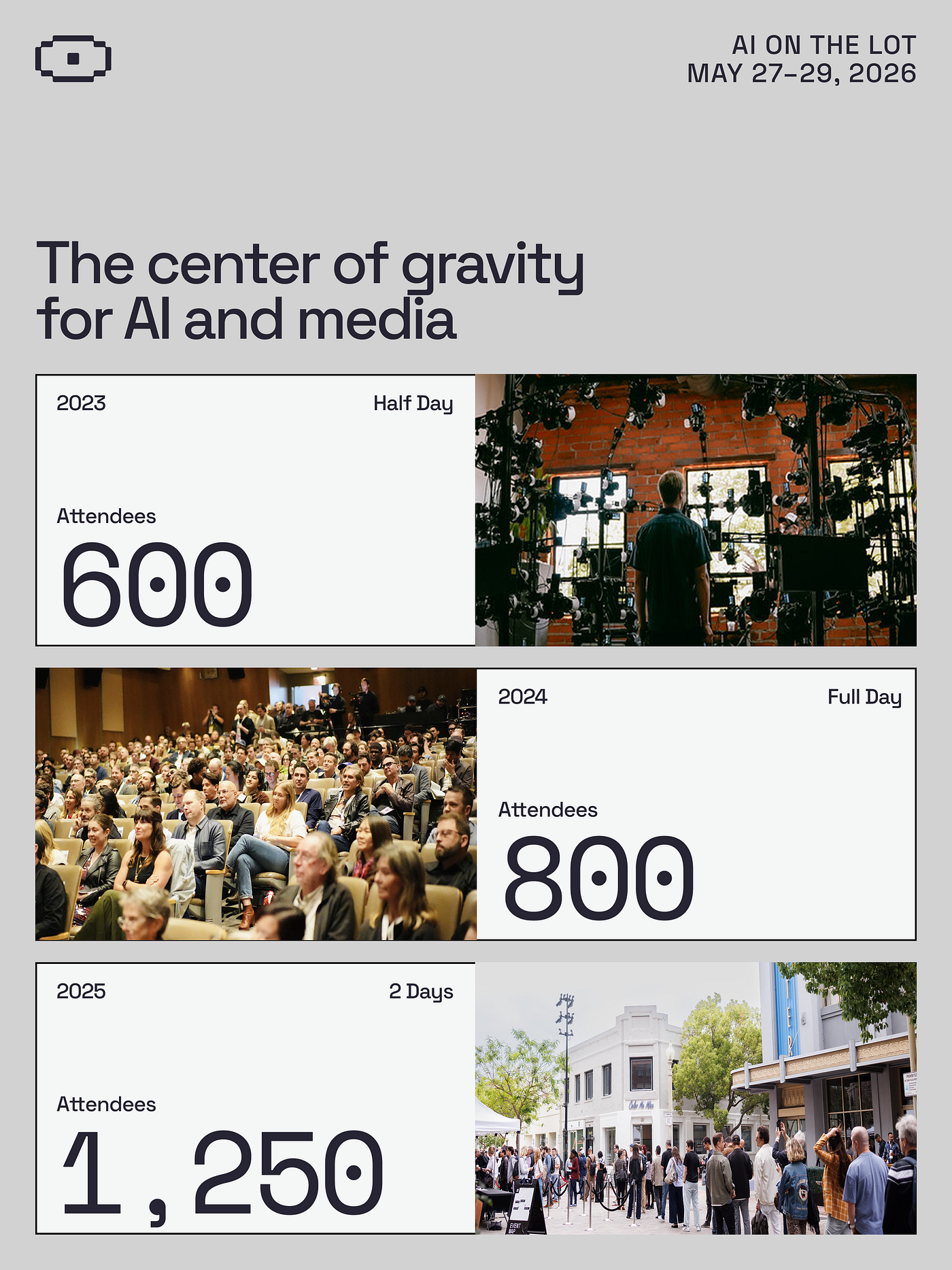
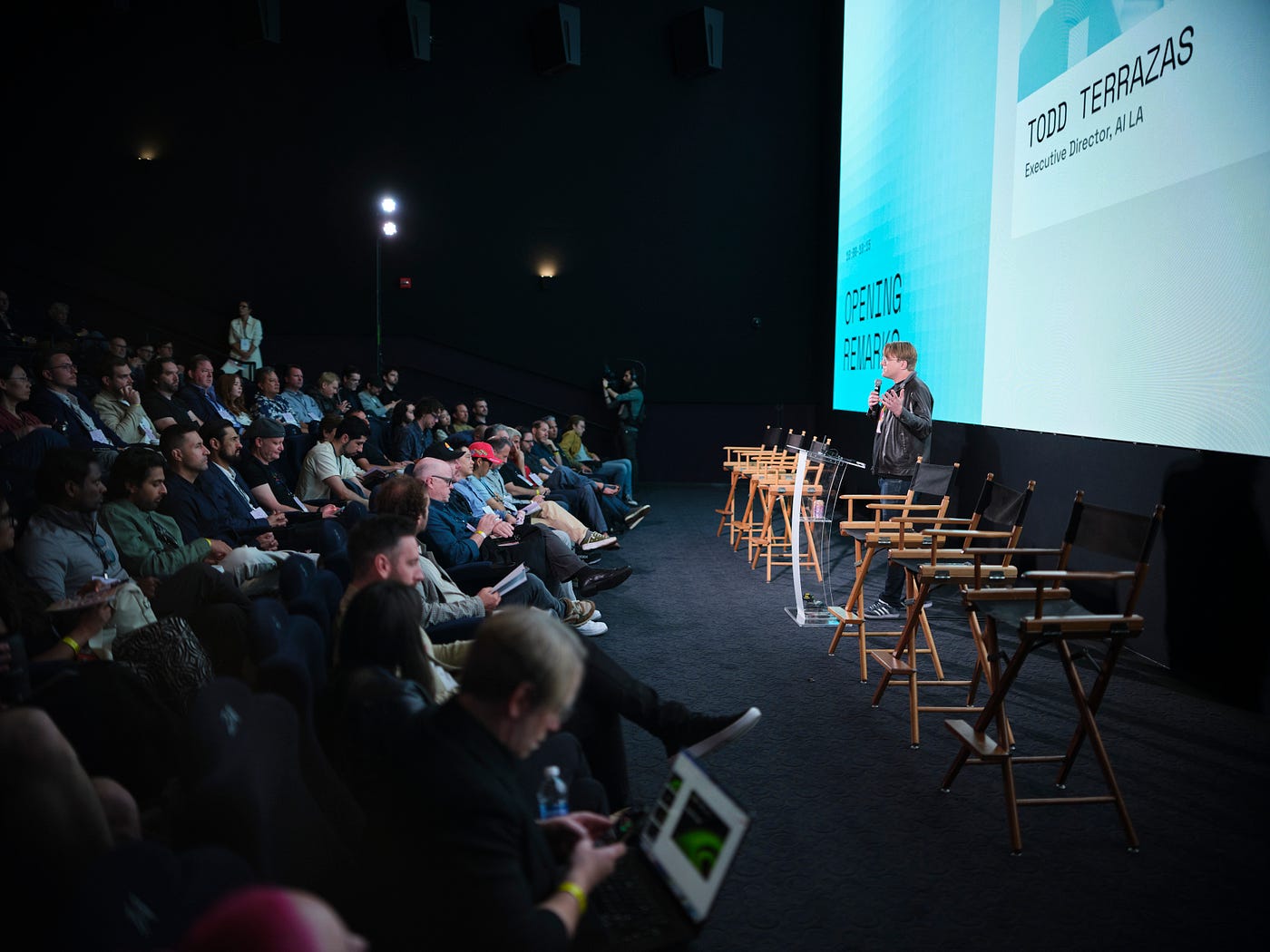
The annual gathering at Amazon MGM Studios in Culver City drew a larger, louder crowd than ever, with studios, filmmakers, and start-ups all pushing competing versions of the same argument: that generative AI can speed up development, compress budgets, and open up new creative possibilities. Amazon MGM used the event to announce its GenAI Creators Fund and the first three AI-assisted children’s projects to get the green light, underlining how quickly the technology is moving from speculative workshop territory into mainstream commissioning decisions.
Yet the mood was not triumphalist. The conference also exposed the industry’s persistent unease: the fear that faster workflows and cheaper production will arrive alongside job losses, creative dilution, and more power concentrated in the hands of a few studios and platforms. Speakers such as Gareth Edwards and Paul Schrader framed AI as both an extraordinary production aid and a source of uncertainty, while others stressed that human judgment, taste, and authorship still matter more than the software itself.
The broader story is that Hollywood has moved past asking whether AI belongs in the room, and is now arguing over who controls it, who benefits from it, and what it may quietly displace along the way.
Who was there?
Albert Cheng, head of AI Studios at Amazon MGM Studios, opened AI on the Lot as this year’s keynote speaker, setting the tone for a conference that has become one of Hollywood’s main forums for arguing over the future of generative AI. As the leader of one of the largest AI-driven filmmaking efforts on the planet, Cheng embodied the industry’s growing shift from experimentation to something much closer to organized infrastructure.
PJ Ace, the filmmaker behind Genre AI, was one of the speakers who lent AI on the Lot its more showy, crowd-pleasing edge. Genre had built a reputation for AI videos that travelled well beyond the usual tech audience, with work said to have generated more than 300 million views and even reached the Super Bowl. The appeal lay in its instinct for novelty: bold visuals, comic momentum, and a pace designed to keep viewers watching long enough not to dwell on how the images were made.
Roger Avary, the writer-director known for co-writing Pulp Fiction and directing The Rules of Attraction, represented the film industry’s older guard edging into the debate. Now involved in AI-enabled productions with Massive Studios, he stood as a reminder that interest in the technology was no longer confined to start-ups and opportunists. The argument from his side was that AI could help producers work more efficiently across departments while also enabling visuals that would otherwise be harder or more expensive to achieve.
Yoland Yan, chief executive of ComfyUI, brought a more technical but arguably more consequential perspective. ComfyUI had become one of the most widely used open-source workflow tools in the sector, and Yan had helped steer its rise from a niche favourite of developers to a product used across parts of Hollywood. He discussed the current limits of the models, how studios were adopting them, and what improvements might come next, which meant the less glamorous but more telling side of the AI story.
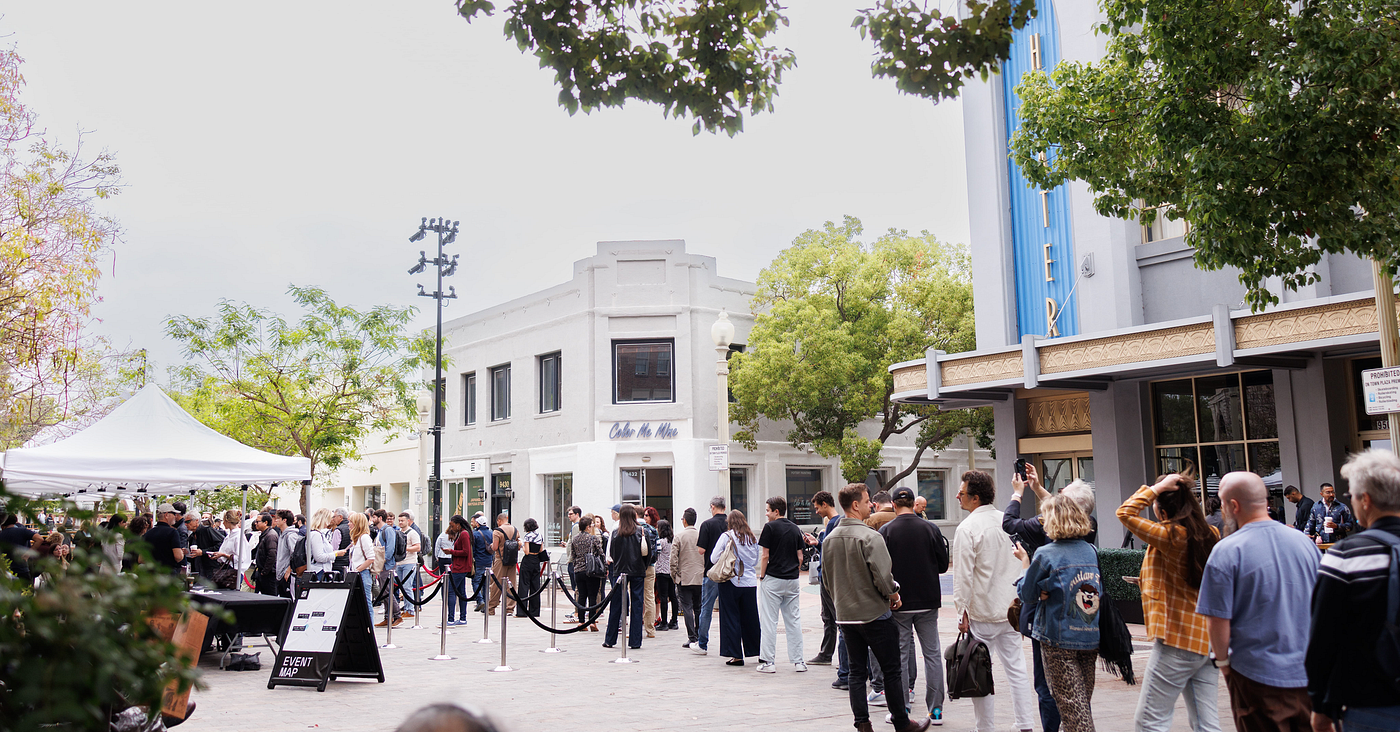
I came away from AI on the Lot feeling that Hollywood is no longer treating artificial intelligence as a distant threat or a neat gimmick, but as something messier, more practical, and much harder to ignore. The conference made clear that the industry is now trying to work out whether AI is a tool for survival, a cost-cutting engine, or simply the next battleground in a long argument about who gets to make film and television.
Artificial intelligence has become less of a taboo in Hollywood than it once was, but the industry’s discomfort is still real, particularly around job losses and creative control. Elsewhere, however, studios and artists have been quicker to treat the technology as a practical tool rather than an existential threat, a divide that could shape which creators are best placed to compete in the next phase of global media. That was one of the main takeaways from a panel that discussed how attitudes to AI differ around the world, and how those differences are influencing adoption among creatives in different territories.